Вернуться   Бухгалтерский форум (архив) > Различный софт > Различный софт

Ответ
 
Опции темы
Старый 19.09.2024, 09:12   #106456
mitsumi1
Местный
 
Регистрация: 04.10.2017
Сообщений: 125,003
Сказал(а) спасибо: 0
Поблагодарили 7 раз(а) в 7 сообщениях
mitsumi1 пока не определено
По умолчанию Product Positioning Masterclass: Unlock Market Traction

Product Positioning Masterclass: Unlock Market Traction


Published 9/2024
MP4 | Video: h264, 1920x1080 | Audio: AAC, 44.1 KHz
Language: English | Size: 773.29 MB | Duration: 1h 9m

Practical Customer-Centric Strategies to Drive Growth and Profitability


What you'll learn
Shift thinking from promoting product features to servicing Customer needs
Identify and prioritise the most pressing problems Customers face
Distil Customer problems into clear and actionable content
Create products and services that truly resonate with the target audience
Requirements
The course is designed to be accessible to a wide range of learners, including those new to marketing or product management.
Description
Ready to transform your product from an idea into a market success?In today's competitive landscape, it's not enough to have a great product; you need to position it strategically to address your customers' most pressing needs. This comprehensive Product Positioning Masterclass will empower you with a proven, problem-centric approach to identify and solve those needs, setting your product apart and driving sustainable growth.We'll guide you through a paradigm shift, moving beyond product features to uncover the root causes of customer pain points. You'll learn how to conduct in-depth customer research, utilize the "5 Whys" technique to identify core problems, and craft clear, concise problem statements that will serve as the foundation of your marketing and sales efforts.From defining your ideal customer and segmenting your market to crafting compelling narratives and designing impactful infographics, this course equips you with the tools and knowledge to connect with your audience on a deeper level. You'll learn how to apply the AIDA model to capture attention, generate interest, create desire, and inspire action.Whether you're launching a new product, revitalizing an existing one, or seeking to gain a competitive edge, this course will transform the way you think about product positioning. Say goodbye to guesswork and hello to data-driven strategies that drive growth and profitability. Unlock the secrets to successful product positioning and watch your business thrive in today's competitive landscape.
Overview
Section 1: Module 1: Foundations of Problem-Centric Product Positioning
Lecture 1 Introduction to Problem-Centric Thinking
Lecture 2 Importance of Understanding Customer Pain Points
Lecture 3 5 Whys Technique - Uncovering Root Causes
Lecture 4 Reverse Engineering Benefits into Problems
Lecture 5 Developing a Problem Statement
Section 2: Identifying and Profiling Your Target Customer
Lecture 6 The 5 Stages of Customer Awareness
Lecture 7 Defining Your Ideal Customer Characteristics
Lecture 8 Customer Definition and Segmentation
Lecture 9 Creating Customer Personas
Section 3: Crafting Compelling Marketing Narratives
Lecture 10 Storytelling Techniques for Marketing
Lecture 11 Attention-Grabbing AIDA Communication
Lecture 12 Creating Infographics for Sales and Marketing
Lecture 13 Developing a Marketing Narrative
Lecture 14 Bringing It All Together - Your Go-To-Market Strategy
Small to medium-sized business owners: Gain the strategic advantage to identify Customer pain points and position your products for maximum market impact and profitability,Product managers and marketers: Master the art of problem-centric product positioning to create offerings that resonate with your target audience and drive business growth,Entrepreneurs and start-up founders: Learn how to identify and address Customer problems effectively to validate your product ideas and achieve early market traction,Consultants and advisors: Enhance your strategic toolkit with a problem-centric approach to product positioning, empowering your Clients to achieve sustainable success.

Screenshots


rapidgator.net:
Код:
https://rapidgator.net/file/98baebcc97aad6fad0291f51c32d0eb0/mliog.Product.Positioning.Masterclass.Unlock.Market.Traction.rar.html
ddownload.com:
Код:
https://ddownload.com/wkkrxzso8ye8/mliog.Product.Positioning.Masterclass.Unlock.Market.Traction.rar
mitsumi1 вне форума   Ответить с цитированием
Старый 19.09.2024, 09:13   #106457
mitsumi1
Местный
 
Регистрация: 04.10.2017
Сообщений: 125,003
Сказал(а) спасибо: 0
Поблагодарили 7 раз(а) в 7 сообщениях
mitsumi1 пока не определено
По умолчанию Proven Secrets To Boost Your Child'S Height

Proven Secrets To Boost Your Child'S Height


Published 9/2024
MP4 | Video: h264, 1920x1080 | Audio: AAC, 44.1 KHz
Language: English | Size: 911.69 MB | Duration: 1h 51m

Comprehensive Guide to Supporting Healthy Height Growth for Your Children


What you'll learn
Understand factors influencing growth in height during childhood.
Learn nutritional strategies to support optimal height growth.
Develop personalized plans to enhance height growth based on individual needs.
Learn to measure height progress and adjust strategies effectively.
Requirements
Basic knowledge of child nutrition, growth, and development, with a strong interest in supporting optimal growth in height.
Description
The course "Supporting Your Child's Growth in Height" is designed for parents, caregivers, and educators who want to understand how to foster optimal growth in children. Throughout the course, we will explore the various factors influencing height growth, from genetics to nutrition, physical activity, sleep, and emotional well-being.You will learn about the importance of a balanced diet rich in essential macronutrients and micronutrients, such as proteins, calcium, and vitamins, which are crucial for bone development and overall growth. We will also examine the critical role of physical exercise, including activities that promote flexibility and muscle strength, which are essential for healthy growth.You will understand how quality sleep directly impacts growth and what strategies you can implement to improve children's sleep habits. Additionally, we will provide you with tools to monitor growth progress and adjust your strategies based on the results obtained.This course offers a comprehensive and practical perspective on supporting child growth, including creating personalized plans based on each child's unique needs. It will equip you with the knowledge necessary to foster a positive and motivating environment that promotes not only physical growth but also the overall well-being of the children in your care. Join us and discover how you can effectively contribute to the healthy growth of your children!
Overview
Section 1: Introduction to Childhood Growth
Lecture 1 Overcoming Height Challenges: My Early Struggles and Growth
Lecture 2 Common Myths About Growing Taller
Lecture 3 Why Growth Hormone Injections Aren't Always Right for Kids
Lecture 4 What Will You Learn in This Course?
Lecture 5 Phases of growth and development
Lecture 6 Factors influencing growth
Lecture 7 How genetics influence height and development
Section 2: Nutrition and Growth
Lecture 8 Essential Macronutrients and Micronutrients
Lecture 9 The Role of Calcium in Bone Development
Lecture 10 Crucial Vitamins for Growth
Lecture 11 Proteins and Their Impact on Growth
Lecture 12 Hydration and Growth
Lecture 13 The Importance of Staying Hydrated for Maximizing Growth Potential
Lecture 14 How Avoiding Excessive Sugar Intake Helps Boost Growth Hormone
Lecture 15 High-Glycemic Foods Affect Nutrient Levels and Growth in Kids
Lecture 16 Diagram of How High-Glycemic Foods Affect Height Growth
Lecture 17 Special Diets and Their Effect on Growth
Lecture 18 How to Make Smart and Responsible Purchases
Section 3: Physical Activity and Development
Lecture 19 Physical Activities to Improve Height
Lecture 20 Example of Exercise for Small Children
Lecture 21 Importance of Stretching and Flexibility
Lecture 22 Example of Stretching for Small Kids
Lecture 23 Motivating Kids to Exercise for Healthy Growth: The Ball Strategy
Lecture 24 The Ball Strategy
Lecture 25 Exercises from My Childhood and Teenage Years That Boosted My Growth
Lecture 26 Maximizing Your Growth Potential with High-Intensity Interval Training
Lecture 27 Example of performing High-Intensity Interval Training
Lecture 28 How I performed High-Intensity Interval Training
Section 4: Sleep and Growth
Lecture 29 Sleep and Its Relation to Growth
Lecture 30 How to Improve the Quality of Children's Sleep
Lecture 31 How Poor Sleep Stunted My Growth and How Fixing It Made All the Difference
Section 5: Health and Development
Lecture 32 The importance of pediatric visits and growth assessments
Lecture 33 Identifying and managing medical conditions affecting growth
Lecture 34 When and how to consider supplements
Section 6: Emotional Support and Development
Lecture 35 How stress can affect growth and well-being
Lecture 36 Fostering a positive and motivating attitude at home
Section 7: Dietary Strategies and Cooking
Lecture 37 How to create menus that meet all nutritional needs
Lecture 38 Recipes and techniques for preparing nutritious meals
Section 8: Growth and Development at Different Stages
Lecture 39 Nutritional and physical needs in the early years
Lecture 40 Physical changes and special needs during adolescence
Section 9: Education and Communication
Lecture 41 Techniques for teaching children about nutrition and physical activity
Lecture 42 How to talk to children about their growth and health
Section 10: Special Cases and Personalized Strategies
Lecture 43 Approaches for children with special nutritional or medical needs
Lecture 44 Creating individual plans based on each child's assessment
Section 11: Review and Evaluation
Lecture 45 How to measure and assess progress in growth
Lecture 46 How to make adjustments based on evaluation and results
Lecture 47 What Truly Helped Me Grow Taller
Lecture 48 My Final Insights and Key Takeaways
Parents, caregivers, and educators dedicated to fostering healthy growth in height and overall well-being in children.

Screenshots


rapidgator.net:
Код:
https://rapidgator.net/file/f0db9b57ab59a2329629c6cc2276312b/bewhu.Proven.Secrets.To.Boost.Your.ChildS.Height.rar.html
ddownload.com:
Код:
https://ddownload.com/5lryrsnkbcs6/bewhu.Proven.Secrets.To.Boost.Your.ChildS.Height.rar
mitsumi1 вне форума   Ответить с цитированием
Старый 19.09.2024, 09:14   #106458
mitsumi1
Местный
 
Регистрация: 04.10.2017
Сообщений: 125,003
Сказал(а) спасибо: 0
Поблагодарили 7 раз(а) в 7 сообщениях
mitsumi1 пока не определено
По умолчанию Psychology Of Business 4 Influence And Leadership

Psychology Of Business 4: Influence And Leadership


Published 9/2024
MP4 | Video: h264, 1920x1080 | Audio: AAC, 44.1 KHz
Language: English | Size: 469.23 MB | Duration: 0h 44m

Influential Strategies To Influence Your Team, Improve Business Relationships And Become A More Effective Leader


What you'll learn
Understand how social influence affects your ability to persuade your colleagues and team members.
Realise why people follow social norms and how you can use this information to better influence your team.
Apprehend how to use social identity to boost your team's self-esteem.
Perceive how your audience, credibility and message can help you develop an effective persuasive communication strategy.
Use openness, conscientiousness, extroversion, agreeableness and neuroticism to tap into the psychology of others.
Determine your leadership style for more impactful interactions.
Utilise Hofstede's Cultural Dimensions Theory to communicate with others from different cultures better.
Requirements
No specific requirements.
Description
Would you like to learn how someone's cultural background influences your ability to persuade them? Would you like to learn how you can transition into a leadership role using key psychological techniques like social identity theory? Do you want to learn how understanding your audience can help you better appeal to their emotions? If so, then this is the course for you! Being a leader doesn't always mean that you can influence your team. As you'll learn in this course, leadership influence encompasses much more than being in charge. It's about building relationships, being a good communicator, showing empathy and being helpful. Research shows that 90% of H.R. leaders say that to succeed in today's work environment, leaders must focus on the human aspects of leadership. Another study found that only 29% of employees believed their leader was a "human" leader. These statistics show that forming meaningful connections with your team is essential if you want to be successful and more influential. Over six short video lectures, we will guide you as we unravel the intricacies of persuasive communication and leadership. Throughout this course, you will gain valuable insights into the dynamics of social influence and how it directly impacts your ability to persuade and connect with your audience. You will unveil the significance of social norms and show you how understanding them can empower you to influence your team effectively. We will delve into the concept of social identity, demonstrating how to leverage it to enhance your team's self-esteem and create a positive and collaborative work environment. You will also navigate the intricacies of crafting a persuasive communication strategy by examining the interplay between your audience, credibility, and message. We will take you through the process of tailoring your approach to resonate with diverse personalities and preferences. Furthermore, explore the dimensions of personality -openness, conscientiousness, extroversion, agreeableness, and neuroticism - and understand how they play a pivotal role in determining your leadership style. Finally, you will uncover how this self-awareness can be harnessed to lead authentically and make a lasting impact. By the end of this course, you will understand how social identity, using effective persuasive communication strategies and culture, can impact your leadership style. This Influence and Leadership course is part four of our six-course series, Psychology Of Business. If you're interested in learning more about how to use psychological techniques to have a more positive influence over your team and be a more effective leader, then check out the other courses in the series, as well as our wider catalogue. Enrol now to learn more!
Overview
Section 1: Introduction
Lecture 1 Introduction: Psychological Dynamics Of Power And Influence
Section 2: Psychology Of Business 4: Influence And Leadership
Lecture 2 Leadership Through The Lens Of Social Psychology
Lecture 3 Psychological Strategies For Persuasive Communication
Lecture 4 Psychological Underpinnings Of Leadership Styles
Lecture 5 Cultural Psychology In Leadership
Lecture 6 Psychological Dimensions Of Ethical Leadership And Social Responsibility
Section 3: Conclusion
Lecture 7 Conclusion
Mid-career professionals who want to have a more positive influence on team members to create a better work culture.,Aspiring entrepreneurs who want to become effective leaders.,Managers who want to understand how sharing their audience's beliefs can help them get more support in decision-making.,Leaders who want to learn how to adapt their leadership style to suit their team members.,C-level executives who want to be more persuasive and maintain quality business relationships.

Screenshots


rapidgator.net:
Код:
https://rapidgator.net/file/2d7845f8d3c083410a9fd720d0035882/wjrzj.Psychology.Of.Business.4.Influence.And.Leadership.rar.html
ddownload.com:
Код:
https://ddownload.com/zzdxqkxeav9l/wjrzj.Psychology.Of.Business.4.Influence.And.Leadership.rar
mitsumi1 вне форума   Ответить с цитированием
Старый 19.09.2024, 09:16   #106459
mitsumi1
Местный
 
Регистрация: 04.10.2017
Сообщений: 125,003
Сказал(а) спасибо: 0
Поблагодарили 7 раз(а) в 7 сообщениях
mitsumi1 пока не определено
По умолчанию Public Health Communication

Public Health Communication


Published 9/2024
MP4 | Video: h264, 1920x1080 | Audio: AAC, 44.1 KHz
Language: English | Size: 1.44 GB | Duration: 3h 45m

Public Engagement and Media Skills for Health Professionals


What you'll learn
Give punchy, memorable, and impactful media interviews
Craft messages to the public, managers, and other stakeholders that they can actually understand!
Manage public engagement in times of emergency and crisis without causing panic or creating unrealistic expectations
Master the various tools of public health communication, from social media to newspaper op-eds
Requirements
No experience needed. No special software or materials are needed, either. Just bring an inquiring mind and an eagerness to listen and learn!
Description
While meant for graduate students of health science disciplines and professionals working in public health, this course is also useful for the layperson and anyone interested in the art and science of professional public engagement. It consists of five lectures covering the topics of: (1) The current divisive landscape of public communication in health and health care: the COVID-19 pandemic has changed health communication and raised the stakes.(2) The traditional academic models of public communication, their advantages and disadvantages: standard models fail us in the new political reality.(3) How to speak and write in so-called "plain language": it's not about "dumbing down" the language, but about understanding the message.(4) The tools available to the modern communicator, including social media and newspaper op-ed articles: writing is still among the most important skills.(5) How to prepare for TV and print interviews: media training isn't about dodging the question, but about message discipline, charm, and credibility.The course is taught by a seasoned public health communicator with well over 2000 media interviews under his belt. Professor Deonandan is an award-winning scientist, teacher, writer, and public speaker. In this new era of continuous public health crisis and an ideologically divided population, it's important that professionals get used to crafting their message for the public eye.
Overview
Section 1: The Challenge of Public Health Communication
Lecture 1 The Challenge of Public Health Communication
Section 2: Models of Public Health Communication
Lecture 2 Models of Public Health Communication
Section 3: Plain Language
Lecture 3 Plain Language
Section 4: Tools of Engagement
Lecture 4 Tools of Engagement
Section 5: Media Training
Lecture 5 Media Training
Students and professionals in the health sciences, medicine, public health, or public service who need to engage with the public or with other stakeholders

Screenshots


rapidgator.net:
Код:
https://rapidgator.net/file/123e9f3c4977380a30f96c28bf1dfdfc/xbxdg.Public.Health.Communication.part1.rar.html
https://rapidgator.net/file/5e7b5eedae923b2791bd339d14284edc/xbxdg.Public.Health.Communication.part2.rar.html
ddownload.com:
Код:
https://ddownload.com/rz348pfjn6hr/xbxdg.Public.Health.Communication.part1.rar
https://ddownload.com/7aa1iy74pu1s/xbxdg.Public.Health.Communication.part2.rar
mitsumi1 вне форума   Ответить с цитированием
Старый 19.09.2024, 09:17   #106460
mitsumi1
Местный
 
Регистрация: 04.10.2017
Сообщений: 125,003
Сказал(а) спасибо: 0
Поблагодарили 7 раз(а) в 7 сообщениях
mitsumi1 пока не определено
По умолчанию Role of QA in agile methodology

Role of QA in agile methodology


Published 9/2024
MP4 | Video: h264, 1280x720 | Audio: AAC, 44.1 KHz, 2 Ch
Language: English | Duration: 32m | Size: 151 MB

Introduction to Quality assurance. Role, Report bugs, build test cases


What you'll learn
Define role of QA in an agile enviroment
Give a view of the task as a Quality assurance
Report bugs
Write test cases
Requirements
No previous skill is required as this is an introduction
Description
This course provides an introduction to the role of Quality Assurance (QA) within Agile software development environments. Agile emphasizes iterative, rapid delivery, and QA plays a crucial role in ensuring that the software is continuously tested for quality at every stage of the development process. Participants will learn how to effectively integrate QA practices into Agile sprints, enabling teams to identify and address issues early in the development cycle.Participants will explore how QA contributes to cross-functional teams by participating in daily standups, sprint reviews, and retrospectives to ensure that quality is embedded throughout the process.Additionally, the course covers the essentials of bug reporting, focusing on using tools like Asana to track, prioritize, and communicate defects clearly. Learners will practice writing detailed, actionable bug reports that facilitate quick resolution. Participants will also develop the skills needed to create comprehensive, well-structured test cases that cover a wide range of scenarios to ensure thorough testing.By the end of this course, attendees will have a solid understanding of QA's role in Agile and be equipped with the basic skills to report bugs effectively and write precise test cases. All these tolls will help the student to start working on an Agile project and fulfill the QA role.
Who this course is for
The course is ideal for aspiring QA professionals, junior testers, software developers seeking to understand QA, and project managers who want to learn about the testing process. No prior QA experience is necessary.

Homepage:


Код:
https://www.udemy.com/course/role-of-qa-in-agile-methodology/

Screenshots


Download link


rapidgator.net:
Код:
https://rapidgator.net/file/27dd7037eb55f5a3545065af3f93d1d9/jlryj.Role.of.QA.in.agile.methodology.rar.html
ddownload.com:
Код:
https://ddownload.com/3b8qqp8op8m1/jlryj.Role.of.QA.in.agile.methodology.rar
mitsumi1 вне форума   Ответить с цитированием
Старый 19.09.2024, 09:18   #106461
mitsumi1
Местный
 
Регистрация: 04.10.2017
Сообщений: 125,003
Сказал(а) спасибо: 0
Поблагодарили 7 раз(а) в 7 сообщениях
mitsumi1 пока не определено
По умолчанию Rpa Project Process Definition Document (Pdd)

Rpa Project: Process Definition Document (Pdd)


Published 9/2024
MP4 | Video: h264, 1920x1080 | Audio: AAC, 44.1 KHz
Language: English | Size: 998.44 MB | Duration: 2h 50m

Learn how to design, compile and deliver the Process Definition Document - the most crucial document in any RPA project.


What you'll learn
What RPA (Robotic Process Automation) is
What a Process Definition Document (PDD) is
How to build out a PDD with confidence
What to include within a PDD
What best practice looks like when constructing the PDD
How to set up the next stage of your RPA project successfully
How to present key information to developers successfully
What constitutes a process RPA could assist with
How to compile requirements, process maps and directions for the RPA work into one place
Key considerations such as owner, management of the document and version control
Requirements
None. We will work with you through the course
No prior knowledge of RPA or automation project management is required
No prior process management experience is required
Course has been built to be open to all levels
Reach out to me if you need assistance
Description
Many RPA/Automation courses focus on the technical - how to build actual bots or automated solutions. This series of courses focuses on how to manage this work - a vital skill often lacking in businesses today.In this course, you are going to learn about the Process Definition Document (PDD). This is the most crucial document in any RPA project. It is the document that brings together all of the key strands of the project into one place. Much of the work that has been done previously will be compiled here, and presented in a way developers can digest. To successfully deliver an RPA project, a strong, clear and confident PDD is absolutely vital.In the course, we will cover the following:- What is RPA and how to define a process.- What a PDD is - its features, sections and purpose.- How to build out a PDD.- How to pull together the process maps, business requirements and scope definitions into one format which developers can use to build the RPA solution.Getting this document right is crucial, and that includes understanding the right way to present all of the information. As we run through the course, we will do so using a scenario example, case studies and practical exercises, all to ensure you know practically how to build out a PDD, and can try it out for yourself.
Overview
Section 1: Introduction
Lecture 1 Introduction
Lecture 2 Disclaimer
Lecture 3 What is the purpose of this course?
Section 2: Fundamentals of the approach
Lecture 4 What is RPA?
Lecture 5 Examples of RPA
Lecture 6 The reasons for & benefits of RPA
Lecture 7 What is a process?
Lecture 8 What is a PDD?
Lecture 9 Scenario
Section 3: Process Definition Document
Lecture 10 Objective
Lecture 11 Objective: Demonstration
Lecture 12 Objective: Business objectives & benefits
Lecture 13 Objective: Business objectives & benefits demonstration
Lecture 14 Current process: Process overview
Lecture 15 Current process: Demonstration
Lecture 16 Current process: Standard of metrics
Lecture 17 Current process: Standard of metrics demonstration
Lecture 18 Current process: Volume of data
Lecture 19 Current process: Volume of data demonstration
Lecture 20 Business rules
Lecture 21 Business rules: Demonstration
Lecture 22 As-is process
Lecture 23 As-is process: Demonstration
Lecture 24 To-be process
Lecture 25 To-be process: Demonstration
Lecture 26 Requirements
Lecture 27 Requirements: Demonstration
Lecture 28 In & out of scope: In scope
Lecture 29 In & out of scope: In scope demonstration
Lecture 30 In & out of scope: Out of scope
Lecture 31 In & out of scope: Out of scope demonstration
Lecture 32 Non-process requirements: Systems
Lecture 33 Non-process requirements: Systems demonstration
Lecture 34 Non-process requirements: Reporting
Lecture 35 Non-process requirements: Reporting demonstration
Lecture 36 Non-process requirements: Archiving & data security
Lecture 37 Non-process requirements: Archiving & data security demonstration
Lecture 38 Closing items
Lecture 39 Closing items: Demonstration
Lecture 40 Document management
Section 4: Close out
Lecture 41 Practical exercise
Lecture 42 Review of key learnings
Lecture 43 Thank you
Lecture 44 Bonus
Anyone working within a business process, producing some sort of output,Anyone working operationally within a business, working with multiple teams, activities or outputs,Anyone who wants to be able to gain RPA and automation skills in the field of process automation,Those looking to play a great role in critical business projects today, and longer term

Screenshots


rapidgator.net:
Код:
https://rapidgator.net/file/3e2856ea4edee0e7c30fab72142418b1/zpyrt.Rpa.Project.Process.Definition.Document.Pdd.part1.rar.html
https://rapidgator.net/file/5903ce915228d5f990f3eebd06978a89/zpyrt.Rpa.Project.Process.Definition.Document.Pdd.part2.rar.html
ddownload.com:
Код:
https://ddownload.com/103ocmn6nvhx/zpyrt.Rpa.Project.Process.Definition.Document.Pdd.part1.rar
https://ddownload.com/19lgnz9i9qlt/zpyrt.Rpa.Project.Process.Definition.Document.Pdd.part2.rar
mitsumi1 вне форума   Ответить с цитированием
Старый 19.09.2024, 09:19   #106462
mitsumi1
Местный
 
Регистрация: 04.10.2017
Сообщений: 125,003
Сказал(а) спасибо: 0
Поблагодарили 7 раз(а) в 7 сообщениях
mitsumi1 пока не определено
По умолчанию R Programming For Data Science- Practise 250 Exercises-Part2

R Programming For Data Science- Practise 250 Exercises-Part2


Published 9/2024
MP4 | Video: h264, 1920x1080 | Audio: AAC, 44.1 KHz
Language: English | Size: 644.41 MB | Duration: 3h 0m

Level Up Your Skills: Advanced Challenges & Expert Insights in R Programming!


What you'll learn
Develop a strong foundation in R programming by solving diverse exercises, reinforcing key concepts like data types, control structures, and functions.
Gain hands-on experience with popular R libraries such as dplyr, ggplot2, tidyverse, and caret to manipulate and visualize datasets effectively.
Apply data wrangling techniques to clean, transform, and organize real-world datasets using R.
Master data visualization by creating insightful and professional-quality plots with ggplot2 and other visualization libraries.
Enhance your statistical analysis skills by performing descriptive statistics, hypothesis testing, and regression analysis in R.
Explore different datasets available in R and use them to practice machine learning algorithms such as linear regression, classification, and clustering.
Debug and optimize R code by identifying common errors and applying best practices for efficient coding.
Prepare for real-world data science challenges by solving exercises that reflect common tasks in data analysis and machine learning projects.
Requirements
Basic understanding of R programming: Familiarity with R syntax, variables, data types, and basic functions.
Introduction to data structures in R: Knowledge of common data structures like vectors, data frames, and lists.
Passion to become Data Scientist
Internet connection and Laptop
Description
Welcome to R Programming for Data Science - Practice 250 Exercises: Part 2! If you're ready to take your R programming skills to the next level, this course is the ultimate hands-on experience you've been waiting for. Designed for data enthusiasts, aspiring data scientists, and R programmers, this course brings you 250 brand-new challenges that will deepen your understanding of R programming, data analysis, and machine learning.Whether you're continuing from Part 1 or just starting here, this course promises to engage, challenge, and refine your skills in real-world applications of R. Dive into problem-solving scenarios, practice advanced techniques, and get ready to supercharge your data science career!10 Reasons Why You Should Enroll in This Course:250 New Exercises: Gain practical, hands-on experience with 250 fresh challenges that will test your R programming skills.Real-World Data Science Scenarios: Solve exercises designed to mimic real data science problems, giving you valuable experience that you can apply in your job.Advanced R Concepts: This course builds on foundational R knowledge, introducing more advanced topics such as data visualization, statistical analysis, and machine learning.Project-Based Learning: Learn by doing! Each exercise is a mini-project that will help you understand complex concepts in a simple, practical way.Self-Paced Learning: Enjoy the flexibility to learn at your own speed, whether you're a full-time student or a working professional.Skill-Building for Data Science: Strengthen your R programming and data science abilities, making you more competitive in the job market.Instant Feedback & Solutions: Get access to detailed solutions and explanations for each exercise, so you can learn from your mistakes and improve rapidly.Perfect for Career Growth: Whether you're aiming for a data scientist, analyst, or R programming role, this course will provide the expertise you need to succeed.Expand Your Data Science Toolkit: Learn to use R effectively for data manipulation, analysis, and visualization, essential tools for any data science professional.Supportive Learning Environment: Benefit from an active Q&A section and a community of learners who are just as passionate about data science as you are.Enroll now and take your R programming skills to the next level with R Programming for Data Science - Practice 250 Exercises: Part 2!
Overview
Section 1: Introduction
Lecture 1 Welcome to the Course
Lecture 2 Introduction to AI and ML
Lecture 3 Introduction to R Programming
Lecture 4 Art of Good Programming
Lecture 5 Course Overview
Section 2: 251-270
Lecture 6 Problem 251
Lecture 7 Soln 251
Lecture 8 Problem 252
Lecture 9 Soln 252
Lecture 10 Problem 253
Lecture 11 Soln 253
Lecture 12 Problem 254
Lecture 13 Soln 254
Lecture 14 Problem 255
Lecture 15 Soln 255
Lecture 16 Problem 256
Lecture 17 Soln 256
Lecture 18 Problem 257
Lecture 19 Soln 257
Lecture 20 Problem 258
Lecture 21 Soln 258
Lecture 22 Problem 259
Lecture 23 Soln 259
Lecture 24 Problem 260
Lecture 25 Soln 260
Lecture 26 Problem 261
Lecture 27 Soln 261
Lecture 28 Problem 262
Lecture 29 Soln 262
Lecture 30 Problem 263
Lecture 31 Soln 263
Lecture 32 Problem 264
Lecture 33 Soln 264
Lecture 34 Problem 265
Lecture 35 Soln 265
Lecture 36 Problem 266
Lecture 37 Soln 266
Lecture 38 Problem 267
Lecture 39 Soln 267
Lecture 40 Problem 268
Lecture 41 Soln 268
Lecture 42 Problem 269
Lecture 43 Soln 269
Lecture 44 Problem 270
Lecture 45 Soln 270
Section 3: 271-290
Lecture 46 Problem 271
Lecture 47 Soln 271
Lecture 48 Problem 272
Lecture 49 Soln 272
Lecture 50 Problem 273
Lecture 51 Soln 273
Lecture 52 Problem 274
Lecture 53 Soln 274
Lecture 54 Problem 275
Lecture 55 Soln 275
Lecture 56 Problem 276
Lecture 57 Soln 276
Lecture 58 Problem 277
Lecture 59 Soln 277
Lecture 60 Problem 278
Lecture 61 Soln 278
Lecture 62 Problem 279
Lecture 63 Soln 279
Lecture 64 Problem 280
Lecture 65 Soln 280
Lecture 66 Problem 281
Lecture 67 Soln 281
Lecture 68 Problem 282
Lecture 69 Soln 282
Lecture 70 Problem 283
Lecture 71 Soln 283
Lecture 72 Problem 284
Lecture 73 Soln 284
Lecture 74 Problem 285
Lecture 75 Soln 285
Lecture 76 Problem 286
Lecture 77 Soln 286
Lecture 78 Problem 287
Lecture 79 Soln 287
Lecture 80 Problem 288
Lecture 81 Soln 288
Lecture 82 Problem 289
Lecture 83 Soln 289
Lecture 84 Problem 290
Lecture 85 Soln 290
Section 4: 291-310
Lecture 86 Problem 291
Lecture 87 Soln 291
Lecture 88 Problem 292
Lecture 89 Soln 292
Lecture 90 Problem 293
Lecture 91 Soln 293
Lecture 92 Problem 294
Lecture 93 Soln 294
Lecture 94 Problem 295
Lecture 95 Soln 295
Lecture 96 Problem 296
Lecture 97 Soln 296
Lecture 98 Problem 297
Lecture 99 Soln 297
Lecture 100 Problem 298
Lecture 101 Soln 298
Lecture 102 Problem 299
Lecture 103 Soln 299
Lecture 104 Problem 300
Lecture 105 Soln 300
Lecture 106 Problem 301
Lecture 107 Soln 301
Lecture 108 Problem 302
Lecture 109 Soln 302
Lecture 110 Problem 303
Lecture 111 Soln 303
Lecture 112 Problem 304
Lecture 113 Soln 304
Lecture 114 Problem 305
Lecture 115 Soln 305
Lecture 116 Problem 306
Lecture 117 Soln 306
Lecture 118 Problem 307
Lecture 119 Soln 307
Lecture 120 Problem 308
Lecture 121 Soln 308
Lecture 122 Problem 309
Lecture 123 Soln 309
Lecture 124 Problem 310
Lecture 125 Soln 310
Section 5: 311-330
Lecture 126 Problem 311
Lecture 127 Soln 311
Lecture 128 Problem 312
Lecture 129 Soln 312
Lecture 130 Problem 313
Lecture 131 Soln 313
Lecture 132 Problem 314
Lecture 133 Soln 314
Lecture 134 Problem 315
Lecture 135 Soln 315
Lecture 136 Problem 316
Lecture 137 Soln 316
Lecture 138 Problem 317
Lecture 139 Soln 317
Lecture 140 Problem 318
Lecture 141 Soln 318
Lecture 142 Problem 319
Lecture 143 Soln 319
Lecture 144 Problem 320
Lecture 145 Soln 320
Lecture 146 Problem 321
Lecture 147 Soln 321
Lecture 148 Problem 322
Lecture 149 Soln 322
Lecture 150 Problem 323
Lecture 151 Soln 323
Lecture 152 Problem 324
Lecture 153 Soln 324
Lecture 154 Problem 325
Lecture 155 Soln 325
Lecture 156 Problem 326
Lecture 157 Soln 326
Lecture 158 Problem 327
Lecture 159 Soln 327
Lecture 160 Problem 328
Lecture 161 Soln 328
Lecture 162 Problem 329
Lecture 163 Soln 329
Lecture 164 Problem 330
Lecture 165 Soln 330
Section 6: 331-350
Lecture 166 Problem 331
Lecture 167 Soln 331
Lecture 168 Problem 332
Lecture 169 Soln 332
Lecture 170 Problem 333
Lecture 171 Soln 333
Lecture 172 Problem 334
Lecture 173 Soln 334
Lecture 174 Problem 335
Lecture 175 Soln 335
Lecture 176 Problem 336
Lecture 177 Soln 336
Lecture 178 Problem 337
Lecture 179 Soln 337
Lecture 180 Problem 338
Lecture 181 Soln 338
Lecture 182 Problem 339
Lecture 183 Soln 339
Lecture 184 Problem 340
Lecture 185 Soln 340
Lecture 186 Problem 341
Lecture 187 Soln 341
Lecture 188 Problem 342
Lecture 189 Soln 342
Lecture 190 Problem 343
Lecture 191 Soln 343
Lecture 192 Problem 344
Lecture 193 Soln 344
Lecture 194 Problem 345
Lecture 195 Soln 345
Lecture 196 Problem 346
Lecture 197 Soln 346
Lecture 198 Problem 347
Lecture 199 Soln 347
Lecture 200 Problem 348
Lecture 201 Soln 348
Lecture 202 Problem 349
Lecture 203 Soln 349
Lecture 204 Problem 350
Lecture 205 Soln 350
Section 7: 351-370
Lecture 206 Problem 351
Lecture 207 Soln 351
Lecture 208 Problem 352
Lecture 209 Soln 352
Lecture 210 Problem 353
Lecture 211 Soln 353
Lecture 212 Problem 354
Lecture 213 Soln 354
Lecture 214 Problem 355
Lecture 215 Soln 355
Lecture 216 Problem 356
Lecture 217 Soln 356
Lecture 218 Problem 357
Lecture 219 Soln 357
Lecture 220 Problem 358
Lecture 221 Soln 358
Lecture 222 Problem 359
Lecture 223 Soln 359
Lecture 224 Problem 360
Lecture 225 Soln 360
Lecture 226 Problem 361
Lecture 227 Soln 361
Lecture 228 Problem 362
Lecture 229 Soln 362
Lecture 230 Problem 363
Lecture 231 Soln 363
Lecture 232 Problem 364
Lecture 233 Soln 364
Lecture 234 Problem 365
Lecture 235 Soln 365
Lecture 236 Problem 366
Lecture 237 Soln 366
Lecture 238 Problem 367
Lecture 239 Soln 367
Lecture 240 Problem 368
Lecture 241 Soln 368
Lecture 242 Problem 369
Lecture 243 Soln 369
Lecture 244 Problem 370
Lecture 245 Soln 370
Section 8: 371-390
Lecture 246 Problem 371
Lecture 247 Soln 371
Lecture 248 Problem 372
Lecture 249 Soln 372
Lecture 250 Problem 373
Lecture 251 Soln 373
Lecture 252 Problem 374
Lecture 253 Soln 374
Lecture 254 Problem 375
Lecture 255 Soln 375
Lecture 256 Problem 376
Lecture 257 Soln 376
Lecture 258 Problem 377
Lecture 259 Soln 377
Lecture 260 Problem 378
Lecture 261 Soln 378
Lecture 262 Problem 379
Lecture 263 Soln 379
Lecture 264 Problem 380
Lecture 265 Soln 380
Lecture 266 Problem 381
Lecture 267 Soln 381
Lecture 268 Problem 382
Lecture 269 Soln 382
Lecture 270 Problem 383
Lecture 271 Soln 383
Lecture 272 Problem 384
Lecture 273 Soln 384
Lecture 274 Problem 385
Lecture 275 Soln 385
Lecture 276 Problem 386
Lecture 277 Soln 386
Lecture 278 Problem 387
Lecture 279 Soln 387
Lecture 280 Problem 388
Lecture 281 Soln 388
Lecture 282 Problem 389
Lecture 283 Soln 389
Lecture 284 Problem 390
Lecture 285 Soln 390
Section 9: 391-410
Lecture 286 Problem 391
Lecture 287 Soln 391
Lecture 288 Problem 392
Lecture 289 Soln 392
Lecture 290 Problem 393
Lecture 291 Soln 393
Lecture 292 Problem 394
Lecture 293 Soln 394
Lecture 294 Problem 395
Lecture 295 Soln 395
Lecture 296 Problem 396
Lecture 297 Soln 396
Lecture 298 Problem 397
Lecture 299 Soln 397
Lecture 300 Problem 398
Lecture 301 Soln 398
Lecture 302 Problem 399
Lecture 303 Soln 399
Lecture 304 Problem 400
Lecture 305 Soln 400
Lecture 306 Problem 401
Lecture 307 Soln 401
Lecture 308 Problem 402
Lecture 309 Soln 402
Lecture 310 Problem 403
Lecture 311 Soln 403
Lecture 312 Problem 404
Lecture 313 Soln 404
Lecture 314 Problem 405
Lecture 315 Soln 405
Lecture 316 Problem 406
Lecture 317 Soln 406
Lecture 318 Problem 407
Lecture 319 Soln 407
Lecture 320 Problem 408
Lecture 321 Soln 408
Lecture 322 Problem 409
Lecture 323 Soln 409
Lecture 324 Problem 410
Lecture 325 Soln 410
Section 10: 411-430
Lecture 326 Problem 411
Lecture 327 Soln 411
Lecture 328 Problem 412
Lecture 329 Soln 412
Lecture 330 Problem 413
Lecture 331 Soln 413
Lecture 332 Problem 414
Lecture 333 Soln 414
Lecture 334 Problem 415
Lecture 335 Soln 415
Lecture 336 Problem 416
Lecture 337 Soln 416
Lecture 338 Problem 417
Lecture 339 Soln 417
Lecture 340 Problem 418
Lecture 341 Soln 418
Lecture 342 Problem 419
Lecture 343 Soln 419
Lecture 344 Problem 420
Lecture 345 Soln 420
Lecture 346 Problem 421
Lecture 347 Soln 421
Lecture 348 Problem 422
Lecture 349 Soln 422
Lecture 350 Problem 423
Lecture 351 Soln 423
Lecture 352 Problem 424
Lecture 353 Soln 424
Lecture 354 Problem 425
Lecture 355 Soln 425
Lecture 356 Problem 426
Lecture 357 Soln 426
Lecture 358 Problem 427
Lecture 359 Soln 427
Lecture 360 Problem 428
Lecture 361 Soln 428
Lecture 362 Problem 429
Lecture 363 Soln 429
Lecture 364 Problem 430
Lecture 365 Soln 430
Section 11: 431-450
Lecture 366 Problem 431
Lecture 367 Soln 431
Lecture 368 Problem 432
Lecture 369 Soln 432
Lecture 370 Problem 433
Lecture 371 Soln 433
Lecture 372 Problem 434
Lecture 373 Soln 434
Lecture 374 Problem 435
Lecture 375 Soln 435
Lecture 376 Problem 436
Lecture 377 Soln 436
Lecture 378 Problem 437
Lecture 379 Soln 437
Lecture 380 Problem 438
Lecture 381 Soln 438
Lecture 382 Problem 439
Lecture 383 Soln 439
Lecture 384 Problem 440
Lecture 385 Soln 440
Lecture 386 Problem 441
Lecture 387 Soln 441
Lecture 388 Problem 442
Lecture 389 Soln 442
Lecture 390 Problem 443
Lecture 391 Soln 443
Lecture 392 Problem 444
Lecture 393 Soln 444
Lecture 394 Problem 445
Lecture 395 Soln 445
Lecture 396 Problem 446
Lecture 397 Soln 446
Lecture 398 Problem 447
Lecture 399 Soln 447
Lecture 400 Problem 448
Lecture 401 Soln 448
Lecture 402 Problem 449
Lecture 403 Soln 449
Lecture 404 Problem 450
Lecture 405 Soln 450
Section 12: 451-470
Lecture 406 Problem 451
Lecture 407 Soln 451
Lecture 408 Problem 452
Lecture 409 Soln 452
Lecture 410 Problem 453
Lecture 411 Soln 453
Lecture 412 Problem 454
Lecture 413 Soln 454
Lecture 414 Problem 455
Lecture 415 Soln 455
Lecture 416 Problem 456
Lecture 417 Soln 456
Lecture 418 Problem 457
Lecture 419 Soln 457
Lecture 420 Problem 458
Lecture 421 Soln 458
Lecture 422 Problem 459
Lecture 423 Soln 459
Lecture 424 Problem 460
Lecture 425 Soln 460
Lecture 426 Problem 461
Lecture 427 Soln 461
Lecture 428 Problem 462
Lecture 429 Soln 462
Lecture 430 Problem 463
Lecture 431 Soln 463
Lecture 432 Problem 464
Lecture 433 Soln 464
Lecture 434 Problem 465
Lecture 435 Soln 465
Lecture 436 Problem 466
Lecture 437 Soln 466
Lecture 438 Problem 467
Lecture 439 Soln 467
Lecture 440 Problem 468
Lecture 441 Soln 468
Lecture 442 Problem 469
Lecture 443 Soln 469
Lecture 444 Problem 470
Lecture 445 Soln 470
Section 13: 471-490
Lecture 446 Problem 471
Lecture 447 Soln 471
Lecture 448 Problem 472
Lecture 449 Soln 472
Lecture 450 Problem 473
Lecture 451 Soln 473
Lecture 452 Problem 474
Lecture 453 Soln 474
Lecture 454 Problem 475
Lecture 455 Soln 475
Lecture 456 Problem 476
Lecture 457 Soln 476
Lecture 458 Problem 477
Lecture 459 Soln 477
Lecture 460 Problem 478
Lecture 461 Soln 478
Lecture 462 Problem 479
Lecture 463 Soln 479
Lecture 464 Problem 480
Lecture 465 Soln 480
Lecture 466 Problem 481
Lecture 467 Soln 481
Lecture 468 Problem 482
Lecture 469 Soln 482
Lecture 470 Problem 483
Lecture 471 Soln 483
Lecture 472 Problem 484
Lecture 473 Soln 484
Lecture 474 Problem 485
Lecture 475 Soln 485
Lecture 476 Problem 486
Lecture 477 Soln 486
Lecture 478 Problem 487
Lecture 479 Soln 487
Lecture 480 Problem 488
Lecture 481 Soln 488
Lecture 482 Problem 489
Lecture 483 Soln 489
Lecture 484 Problem 490
Lecture 485 Soln 490
Section 14: 491-500
Lecture 486 Problem 491
Lecture 487 Soln 491
Lecture 488 Problem 492
Lecture 489 Soln 492
Lecture 490 Problem 494
Lecture 491 Soln 494
Lecture 492 Problem 495
Lecture 493 Soln 495
Lecture 494 Problem 496
Lecture 495 Soln 496
Lecture 496 Problem 497
Lecture 497 Soln 497
Lecture 498 Problem 498
Lecture 499 Soln 498
Lecture 500 Problem 499
Lecture 501 Soln 499
Lecture 502 Problem 500
Lecture 503 Soln 500
Aspiring Data Scientists: Those looking to build a strong foundation in R programming while solving real-world data science problems.,Students and Academics: Learners studying data science or related fields who want hands-on practice with R and its various libraries and datasets.,Professionals in Data-Driven Roles: Individuals working in fields like business analytics, finance, healthcare, or marketing who want to enhance their data analysis skills using R.,Self-Learners and Coding Enthusiasts: Those passionate about learning R programming through practical exercises and improving their coding proficiency in data science projects.

Screenshots


rapidgator.net:
Код:
https://rapidgator.net/file/2019faa33d0a94200ba830684bce5fea/yipvz.R.Programming.For.Data.Science.Practise.250.ExercisesPart2.rar.html
ddownload.com:
Код:
https://ddownload.com/8r9ap1aukyyy/yipvz.R.Programming.For.Data.Science.Practise.250.ExercisesPart2.rar
mitsumi1 вне форума   Ответить с цитированием
Старый 19.09.2024, 09:21   #106463
mitsumi1
Местный
 
Регистрация: 04.10.2017
Сообщений: 125,003
Сказал(а) спасибо: 0
Поблагодарили 7 раз(а) в 7 сообщениях
mitsumi1 пока не определено
По умолчанию Sales Email Tutorial Email Copywriting For Online Buisness

Sales Email Tutorial : Email Copywriting For Online Buisness


Published 9/2024
MP4 | Video: h264, 1920x1080 | Audio: AAC, 44.1 KHz
Language: English | Size: 461.70 MB | Duration: 0h 40m

Write an email like a pro


What you'll learn
a templete of email marketing
How to craft a good series of email
How to get your email opened
How to sell over the email
Requirements
No experience needed
Description
First i wanna tell you that you should not buy this course, it turns out that i am happy with this course because i was not focused and i just rushed it. Its not a technique i really mean it. I need to pull it out just because its there and whatnot. Now let me write a landing pageWell actually this course well help you to get you started to give you the juice of the whole Email marketing. That was my aiming making it, is to help you and to give you a system if you wanna write down a series of email to your subscribers you know what to do, and you will have a templete.Once you watch this course and get the templete and system you will never have to think about it i gave a system meaning you can just copy past send. I have done it for you. You only have to understand what i am saying and you will write endless series of email.If you are beginner email copywriting is the easy thing if you wanna start copywriting so you wanna learn email marketing this course is for youThank you
Overview
Section 1: Introduction
Lecture 1 Introduction
Lecture 2 Email Marketing
Lecture 3 How to get your email opned
Lecture 4 the best technique in email Marketing
Lecture 5 Outro
this course is for copywriters

Screenshots


rapidgator.net:
Код:
https://rapidgator.net/file/c688a8a9582071f0a9f80036394de007/eamdi.Sales.Email.Tutorial..Email.Copywriting.For.Online.Buisness.rar.html
ddownload.com:
Код:
https://ddownload.com/2ja6fxvvjjey/eamdi.Sales.Email.Tutorial..Email.Copywriting.For.Online.Buisness.rar
mitsumi1 вне форума   Ответить с цитированием
Старый 19.09.2024, 09:22   #106464
mitsumi1
Местный
 
Регистрация: 04.10.2017
Сообщений: 125,003
Сказал(а) спасибо: 0
Поблагодарили 7 раз(а) в 7 сообщениях
mitsumi1 пока не определено
По умолчанию Sap Sd Fundamentals For Beginners

Sap Sd Fundamentals For Beginners


Published 9/2024
MP4 | Video: h264, 1920x1080 | Audio: AAC, 44.1 KHz
Language: English | Size: 339.92 MB | Duration: 0h 58m

SAP


What you'll learn
Gain a basic understanding of the SAP Sales and Distribution Module
Understand the core functions of SAP SD
Learn to identify key pieces of Master Data used to support Sales functions
Learn about common queries in SD
Requirements
N/A
Description
Welcome to our introductory course, 'SAP SD Fundamentals for Beginners,' proudly brought to you by Michael Management Corporation. This course is specifically designed to introduce beginners to the fundamental concepts of the SAP Sales and Distribution (SD) module, a key component widely utilized across industries for managing sales and logistics.Throughout this course, an experienced instructor from Michael Management Corporation will walk you through the basic operations of the SD module, demonstrating practical examples and essential functions. You'll gain a foundational understanding of core SD tasks, identify critical master data elements, and explore common queries needed for data analysis and report generation.This course is ideal for those new to SAP or professionals aiming to broaden their expertise in SAP's logistics modules. You will develop skills to navigate the SD module, understand its integration with other SAP systems, and apply this knowledge in real-world business contexts.By the end of this course, you will have a clear understanding of SAP SD basics and be better prepared for further training or professional roles that require SAP knowledge. Join us to start your learning journey in SAP Sales and Distribution and lay the groundwork for advanced studies and career advancement in SAP.
Overview
Section 1: Introduction
Lecture 1 Introduction
Section 2: Section 2: Basics of SAP Sales and Distribution (SD)
Lecture 2 The Foundation of SAP SD
Lecture 3 A Look at Sales Orders
Lecture 4 Deliveries and Documents
Lecture 5 Billing and Invoices
Section 3: Demos in a Live SAP System
Lecture 6 SAP Demo - Matrial Master: Sales and Distribution Views
Lecture 7 SAP Demo - Display Sales Order
Lecture 8 SAP Demo - Display Delivery Document
Lecture 9 SAP Demo - Display Billing Document
Section 4: Wrapping Things Up
Lecture 10 Course Close
All SAP Professionals

Screenshots


rapidgator.net:
Код:
https://rapidgator.net/file/a9154e7b8622f3d104d2af52e749a6d4/uwjvp.Sap.Sd.Fundamentals.For.Beginners.rar.html
ddownload.com:
Код:
https://ddownload.com/0ri75pchz562/uwjvp.Sap.Sd.Fundamentals.For.Beginners.rar
mitsumi1 вне форума   Ответить с цитированием
Старый 19.09.2024, 09:23   #106465
mitsumi1
Местный
 
Регистрация: 04.10.2017
Сообщений: 125,003
Сказал(а) спасибо: 0
Поблагодарили 7 раз(а) в 7 сообщениях
mitsumi1 пока не определено
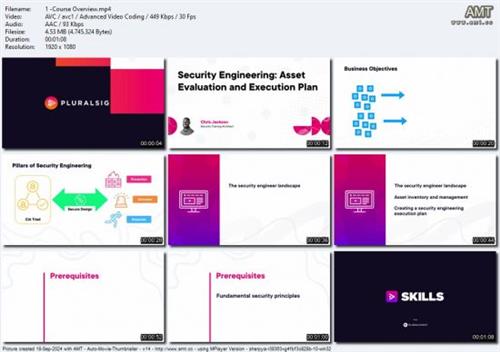
По умолчанию Security Engineering Asset Evaluation and Execution Plan

Security Engineering: Asset Evaluation and Execution Plan


Published 4/2024
MP4 | Video: h264, 1920x1080 | Audio: AAC, 48 KHz
Language: English | Size: 167.41 MB | Duration: 1h 10m 39s

This course empowers you with the vital skills needed for asset inventory, management practices, and creating an execution plan.


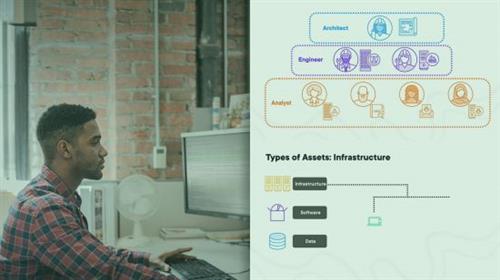
Globomantics, a multi-billion-dollar tech innovator, has recently acquired several smaller companies. They have tasked their security team with determining the security posture of these newly acquired assets and the most effective methods to protect them. Your team has been assigned the responsibility of conducting a comprehensive evaluation of Globomantics' assets across their expanding infrastructure. The initial step involves establishing robust asset inventory and management practices.
In this course, Security Engineering: Asset Evaluation and Execution Plan, you will learn techniques to catalog all critical systems, applications, and data repositories, ensuring a thorough understanding of their asset landscape.
Following this, you will conduct thorough asset assessments to uncover potential weaknesses or misconfigurations that may expose Globomantics to cyber threats. This entails analyzing software versions, service configurations, access controls, and more across the identified assets.
Finally, based on your findings, you will create a detailed engineering execution plan outlining the necessary steps to address vulnerabilities and strengthen Globomantics' security posture. This plan will include implementing customized access controls, updating software, reconfiguring services, and establishing continuous monitoring processes.
The security of Globomantics' acquisitions relies on your ability to meticulously evaluate their assets, identify risks, and devise a robust security strategy.
When you are finished with this course, you will have the expertise in asset management, assessment, and execution planning to safeguard their newly acquired entities and establishing a resilient security architecture for their expanding enterprise.

Homepage:


Код:
https://www.pluralsight.com/courses/sec-engineering-asset-evaluation-execution-plan

Screenshots


Download link


rapidgator.net:
Код:
https://rapidgator.net/file/aa38837a741a650fefc8fa1b1a4df1a4/lamdz.Security.Engineering.Asset.Evaluation.and.Execution.Plan.rar.html
ddownload.com:
Код:
https://ddownload.com/dtlmm1wqdhss/lamdz.Security.Engineering.Asset.Evaluation.and.Execution.Plan.rar
mitsumi1 вне форума   Ответить с цитированием
Старый 19.09.2024, 09:24   #106466
mitsumi1
Местный
 
Регистрация: 04.10.2017
Сообщений: 125,003
Сказал(а) спасибо: 0
Поблагодарили 7 раз(а) в 7 сообщениях
mitsumi1 пока не определено
По умолчанию Security Engineering Secure Endpoints

Security Engineering: Secure Endpoints


Published 1/2024
MP4 | Video: h264, 1920x1080 | Audio: AAC, 48 KHz
Language: English | Size: 97.16 MB | Duration: 45m 3s

Endpoint security is an important consideration when evaluating the overall security of your systems. This course will teach you how to harden and monitor Windows, Linux, and container endpoints.


Are you looking to secure Windows, Linux, and container endpoints on your network? In this course, Security Engineering: Secure Endpoints, you'll learn to harden and monitor endpoints on an enterprise network. First, you'll explore endpoint monitoring. Next, you'll discover endpoint and container hardening. Finally, you'll learn how to maintain file integrity. When you're finished with this course, you'll have the skills and knowledge of Security Engineering needed to configure secure endpoints.

Homepage:


Код:
https://www.pluralsight.com/courses/sec-engineering-secure-endpoints

Screenshots


Download link


rapidgator.net:
Код:
https://rapidgator.net/file/1fdff7d10cd61a7f267a03326ccfd8cb/faxwx.Security.Engineering.Secure.Endpoints.rar.html
ddownload.com:
Код:
https://ddownload.com/uzwn25q6k5c7/faxwx.Security.Engineering.Secure.Endpoints.rar
mitsumi1 вне форума   Ответить с цитированием
Старый 19.09.2024, 09:26   #106467
mitsumi1
Местный
 
Регистрация: 04.10.2017
Сообщений: 125,003
Сказал(а) спасибо: 0
Поблагодарили 7 раз(а) в 7 сообщениях
mitsumi1 пока не определено
По умолчанию Senior Professional In Human Resources International | Sphri

Senior Professional In Human Resources International | Sphri


Published 9/2024
MP4 | Video: h264, 1920x1080 | Audio: AAC, 44.1 KHz
Language: English | Size: 3.57 GB | Duration: 20h 0m

Master Global HR Strategies and Leadership for SPHRi Certification: Cross-Border Employment, Talent, and Compliance


What you'll learn
Understanding the SPHRi certification process - Learn about the structure, benefits, and career advancement opportunities associated with SPHRi certification.
Key competencies for global HR professionals - Gain insight into the essential skills and competencies required for effective HR leadership in an international
Aligning HR strategy with organizational goals - Understand how to develop HR strategies that align with global business objectives and drive organizational suc
Strategic workforce planning in global contexts - Explore techniques for planning and managing a global workforce, ensuring alignment with business goals during
Navigating cross-border employment laws - Learn about international labor laws, agreements, and compliance strategies for managing legal risks across multiple j
Understanding international labor standards - Get familiar with core labor rights, enforcement mechanisms, and the global application of labor standards to ensu
Developing effective global talent acquisition strategies - Discover methods for recruiting and selecting candidates for international roles, and leveraging tec
Managing global talent development and retention - Learn to design and implement global talent development programs, ensuring retention and succession planning
Expatriate management and global mobility policies - Understand how to design expatriate assignments, support expatriates and their families, and manage legal a
Cultural competence in HR practices - Gain insights into managing multicultural teams, cross-cultural communication, and promoting diversity, equity, and inclus
Strategic global compensation and benefits packages - Learn to design compensation and benefits strategies that are both globally consistent and locally relevan
Global HR compliance frameworks - Understand the complexities of global HR compliance, including privacy, data protection, anti-corruption laws, and managing in
Leveraging technology for global HR operations - Learn how to implement and utilize HR Information Systems (HRIS) to streamline global HR processes and enhance
Global workforce safety and wellbeing - Explore global safety regulations, crisis management, and the development of international occupational health and safet
Emerging trends and future challenges in global HR - Understand how AI, technology, and global economic and political changes are impacting the future of work a
Data-driven decision-making in global HR strategy - Learn how to use analytics to inform strategic decisions related to workforce planning and optimization on a
Requirements
No Prerequisites.
Description
The SPHRi certification is designed for seasoned HR professionals seeking to enhance their strategic leadership skills and global HR expertise. This course provides comprehensive coverage of the core competencies required for HR professionals to thrive in an international context. It is tailored to professionals aiming to elevate their knowledge of cross-border employment laws, international labor standards, global talent acquisition, and HR strategies in diverse cultural settings. While the focus is primarily theoretical, it offers students a deep understanding of the complexities and nuances of global human resources management. Through a structured learning path, students will gain the knowledge necessary to succeed in the SPHRi certification exam and apply these insights to real-world HR challenges.At the heart of this course is the alignment of HR strategies with broader organizational goals. Strategic workforce planning, global HR initiatives, and business continuity are essential components covered to prepare students to manage human resources on a global scale. Students will learn how to develop and execute HR initiatives that align with organizational priorities, ensuring that workforce planning not only supports growth but also mitigates risks in diverse international environments. The course delves into how HR professionals can leverage strategic planning to create a coherent and effective HR strategy that aligns with business continuity and the long-term success of multinational organizations.The course also explores the intricate web of cross-border employment laws and regulations, which is essential for HR professionals working in a global context. Students will learn about international labor agreements, legal risks associated with managing a global workforce, and how to navigate employment contracts across multiple jurisdictions. The course will also provide a thorough examination of cross-cultural legal considerations, emphasizing the importance of cultural sensitivity and legal compliance in a diverse workforce. This knowledge will empower HR leaders to ensure that their organizations operate within the bounds of local laws while maintaining global consistency in their HR practices.A key focus of the course is global talent acquisition and management. Recruitment strategies for international roles, employer branding, and the selection process for cross-border employees are thoroughly explored. The course emphasizes the strategic use of technology in global recruitment, ensuring that HR professionals are equipped with the tools necessary to navigate the increasingly digital landscape of international HR. Furthermore, students will gain insights into developing a global employee value proposition that resonates across different cultural contexts, which is crucial for retaining top talent in competitive global markets.The course also covers expatriate management, an essential area of global HR. Students will learn how to design effective expatriate assignments, manage global mobility policies, and support expatriates and their families throughout their international assignments. Additionally, the course addresses the often-overlooked aspect of repatriation, offering best practices for reintegrating expatriates into their home countries after completing international assignments. This section provides a detailed understanding of the legal and tax considerations unique to expatriates, which is vital for ensuring compliance and a smooth transition for employees and organizations alike.In the final sections, the course shifts focus to the importance of cultural competency in HR practices. Understanding and managing cultural differences is key to leading multinational teams effectively. The course will guide students in developing cultural competence, managing multicultural teams, and promoting diversity, equity, and inclusion across global organizations. Students will gain the skills needed to foster cross-cultural communication and inclusivity, ensuring that HR leaders can create a harmonious and productive work environment in any cultural context.Overall, this course provides students with a robust theoretical foundation in global human resource management. While practical applications may vary by organization, the course equips HR professionals with the strategic knowledge and insights needed to lead global HR initiatives, navigate complex international labor landscapes, and develop workforce strategies that align with business objectives in today's global economy. Through this comprehensive learning experience, students will be well-prepared to succeed in the SPHRi certification exam and advance their careers in global HR leadership.
Overview
Section 1: Course Resources and Downloads
Lecture 1 Course Resources and Downloads
Section 2: Introduction to SPHRi Certification
Lecture 2 Section Introduction
Lecture 3 Overview of SPHRi Certification
Lecture 4 Case Study: SPHRi Certification
Lecture 5 Key Competencies for Global HR Professionals
Lecture 6 Case Study: Global HR Mastery
Lecture 7 Understanding the Exam Structure
Lecture 8 Case Study: Strategic Preparation for SPHRi Certification
Lecture 9 Certification Benefits and Career Advancement
Lecture 10 Case Study: Maria Lopez's Path to Career Growth
Lecture 11 Preparing for the SPHRi Exam
Lecture 12 Case Study: Strategic Preparation for SPHRi Certification
Lecture 13 Section Summary
Section 3: Global HR Strategy
Lecture 14 Section Introduction
Lecture 15 Aligning HR Strategy with Organizational Goals
Lecture 16 Case Study: Strategic HR Alignment
Lecture 17 Strategic Workforce Planning in Global Contexts
Lecture 18 Case Study: Global Expansion and Workforce Alignment
Lecture 19 Developing Global HR Initiatives
Lecture 20 Case Study: Global HR Strategies
Lecture 21 HR's Role in Business Continuity and Risk Management
Lecture 22 Case Study: HR's Strategic Role
Lecture 23 Leadership and Strategy in International HR
Lecture 24 Case Study: Global HR Leadership
Lecture 25 Section Summary
Section 4: Cross-Border Employment Laws
Lecture 26 Section Introduction
Lecture 27 Introduction to Cross-Border Employment Regulations
Lecture 28 Case Study: Managing Cross-Border Employment
Lecture 29 International Labor Laws and Agreements
Lecture 30 Case Study: Navigating International Labor Laws
Lecture 31 Managing Legal Risks in Global HR
Lecture 32 Case Study: Navigating Global HR Legal Challenges
Lecture 33 Navigating Employment Contracts Across Jurisdictions
Lecture 34 Case Study: Strategic Management of Employment Contracts
Lecture 35 Cross-Cultural Legal Considerations
Lecture 36 Case Study: Managing GlobalTech's Workforce
Lecture 37 Section Summary
Section 5: International Labor Standards
Lecture 38 Section Introduction
Lecture 39 Overview of International Labor Standards
Lecture 40 Case Study: Ensuring Fair Labor Practices
Lecture 41 Core Labor Rights and Their Global Application
Lecture 42 Case Study: Ensuring Core Labor Rights
Lecture 43 Enforcement Mechanisms for Labor Standards
Lecture 44 Case Study: Enhancing Labor Standards in Bangladesh
Lecture 45 Human Rights in Global Employment Practices
Lecture 46 Case Study: Corporate Accountability and Labor Rights
Lecture 47 Monitoring and Reporting Compliance
Lecture 48 Case Study: Enhancing Compliance
Lecture 49 Section Summary
Section 6: Global Talent Acquisition
Lecture 50 Section Introduction
Lecture 51 Recruitment Strategies for International Roles
Lecture 52 Case Study: TechNova's Comprehensive Global Recruitment Strategy
Lecture 53 Employer Branding in Global Markets
Lecture 54 Case Study: Global Employer Branding
Lecture 55 Selection Processes for Cross-Border Employees
Lecture 56 Case Study: Strategic Talent Acquisition for Global Success
Lecture 57 Leveraging Technology in Global Recruitment
Lecture 58 Case Study: GlobalTech Solutions
Lecture 59 Developing a Global Employee Value Proposition
Lecture 60 Case Study: Crafting a Global EVP
Lecture 61 Section Summary
Section 7: Talent Management in Global Organizations
Lecture 62 Section Introduction
Lecture 63 Designing Global Talent Development Programs
Lecture 64 Case Study: Strategic Global Talent Development
Lecture 65 Managing International Performance and Retention
Lecture 66 Case Study: Strategies for Effective International Talent Management
Lecture 67 Career Pathing for a Global Workforce
Lecture 68 Case Study: Global Career Pathing
Lecture 69 Succession Planning Across Borders
Lecture 70 Case Study: Navigating Global Leadership Transitions
Lecture 71 Leadership Development for Multinational Teams
Lecture 72 Case Study: Leadership and Cultural Intelligence
Lecture 73 Section Summary
Section 8: Expatriate Management
Lecture 74 Section Introduction
Lecture 75 Designing Expatriate Assignments
Lecture 76 Case Study: Strategic Design and Success Factors of Expatriate Assignments
Lecture 77 Global Mobility Policies and Procedures
Lecture 78 Case Study: Efficient Global Mobility Strategies
Lecture 79 Supporting Expatriates and Their Families
Lecture 80 Case Study: Holistic Expatriate Management
Lecture 81 Repatriation Strategies and Best Practices
Lecture 82 Case Study: Enhancing Repatriation
Lecture 83 Legal and Tax Considerations for Expatriates
Lecture 84 Case Study: Navigating International Assignments
Lecture 85 Section Summary
Section 9: Cultural Competency in HR
Lecture 86 Section Introduction
Lecture 87 Understanding Cultural Differences in HR Practices
Lecture 88 Case Study: Cultural Adaptation Strategies for Effective International HR
Lecture 89 Managing Multicultural Teams
Lecture 90 Case Study: Leveraging Multicultural Teams
Lecture 91 Developing Cultural Competence for HR Leaders
Lecture 92 Case Study: Cultural Competence in HR
Lecture 93 Promoting Diversity, Equity, and Inclusion Globally
Lecture 94 Case Study: GlobalTech's Global DEI Initiative
Lecture 95 Cross-Cultural Communication in HR
Lecture 96 Case Study: Enhancing Cross-Cultural Communication in HR
Lecture 97 Section Summary
Section 10: Total Rewards in Global Contexts
Lecture 98 Section Introduction
Lecture 99 Designing Compensation Packages for International Employees
Lecture 100 Case Study: Global Compensation Strategies
Lecture 101 International Benefits and Perks Strategies
Lecture 102 Case Study: Global Benefits Strategies
Lecture 103 Equity Compensation in Multinational Companies
Lecture 104 Case Study: Designing a Global Equity Compensation Plan
Lecture 105 Incentive Programs for Global Talent
Lecture 106 Case Study: Strategic Incentive Programs for Global Talent Management
Lecture 107 Recognition Programs Across Cultures
Lecture 108 Case Study: Culturally Attuned Recognition Strategies
Lecture 109 Section Summary
Section 11: International HR Compliance and Ethics
Lecture 110 Section Introduction
Lecture 111 Global HR Compliance Frameworks
Lecture 112 Case Study: GlobalTech's Strategic Approach to Navigating Global HR
Lecture 113 Ethical Practices in International HR
Lecture 114 Case Study: Implementing Ethical HR Practices in Multinational Corporations
Lecture 115 Managing International Audits and Investigations
Lecture 116 Case Study: GlobalTech's HR Strategy
Lecture 117 Compliance with Anti-Corruption Laws
Lecture 118 Case Study: GlobalTech Inc.'s Strategic Response to Anti-Corruption Allegations
Lecture 119 Privacy and Data Protection in Global HR
Lecture 120 Section Summary
Section 12: Global Workforce Planning
Lecture 121 Section Introduction
Lecture 122 Forecasting Global Talent Needs
Lecture 123 Case Study: Strategic Workforce Planning for Global Expansion
Lecture 124 Managing Workforce Expansion and Reduction
Lecture 125 Case Study: Strategic Workforce Management
Lecture 126 Workforce Planning During Mergers and Acquisitions
Lecture 127 Case Study: Optimizing Human Capital Integration
Lecture 128 Aligning Workforce Plans with Business Strategy
Lecture 129 Case Study: Strategic Workforce Planning
Lecture 130 Data-Driven Decision Making in Global Workforce Planning
Lecture 131 Case Study: Leveraging Data-Driven Decision Making
Lecture 132 Section Summary
Section 13: Performance Management in International Contexts
Lecture 133 Section Introduction
Lecture 134 Creating Global Performance Metrics
Lecture 135 Case Study: Creating Global Performance Metrics
Lecture 136 Aligning Performance with Organizational Goals
Lecture 137 Case Study: Aligning Global Employee Performance with Strategic Goals
Lecture 138 Providing Feedback Across Cultures
Lecture 139 Case Study: Navigating Cross-Cultural Feedback
Lecture 140 Managing Performance Improvement Plans
Lecture 141 Case Study: Effective PIP Management
Lecture 142 Global Approaches to Employee Evaluations
Lecture 143 Case Study: Harmonizing Global Employee Evaluations
Lecture 144 Section Summary
Section 14: HR Information Systems and Technology
Lecture 145 Section Introduction
Lecture 146 Implementing Global HR Information Systems (HRIS)
Lecture 147 Case Study: Global HRIS Implementation at Tech Global Inc.
Lecture 148 Leveraging Technology for International HR Operations
Lecture 149 Case Study: GlobalTech Solutions
Lecture 150 Digital Transformation in Global HR
Lecture 151 Case Study: Transforming Global HR
Lecture 152 Managing HR Data Privacy and Security
Lecture 153 Case Study: Enhancing HR Data Security and Privacy at TechNova
Lecture 154 Utilizing Analytics in Global HR Strategy
Lecture 155 Case Study: Optimizing Global Workforce Management
Lecture 156 Section Summary
Section 15: Employee Safety and Wellbeing Globally
Lecture 157 Section Introduction
Lecture 158 Global Safety Regulations and Standards
Lecture 159 Case Study: Enhancing Global Workplace Safety
Lecture 160 Promoting Employee Wellbeing Internationally
Lecture 161 Case Study: Enhancing Employee Wellbeing
Lecture 162 Crisis Management and Business Continuity Planning
Lecture 163 Case Study: Crisis Management and Business Continuity
Lecture 164 Occupational Health and Safety Across Borders
Lecture 165 Case Study: Global Strategies for Navigating OHS Challenges
Lecture 166 Developing Global Safety Programs
Lecture 167 Case Study: Implementing Global Safety Programs
Lecture 168 Section Summary
Section 16: Global HR Trends and Future Challenges
Lecture 169 Section Introduction
Lecture 170 Emerging Trends in Global HR Management
Lecture 171 Case Study: Transforming Global HR
Lecture 172 The Impact of AI and Technology on International HR
Lecture 173 Case Study: Transforming Global HR
Lecture 174 Adapting to Global Economic and Political Changes
Lecture 175 Case Study: Navigating Global Transformations
Lecture 176 The Future of Work: Remote and Distributed Teams
Lecture 177 Case Study: TechNova's Remote Work Revolution
Lecture 178 Sustainable HR Practices in a Global Context
Lecture 179 Case Study: Technogreen's Sustainable HR Transformation
Lecture 180 Section Summary
Section 17: Course Summary
Lecture 181 Conclusion
HR professionals seeking global certification - Individuals looking to achieve the SPHRi certification and elevate their career in international human resources management.,Experienced HR leaders - Seasoned HR professionals who want to expand their expertise in cross-border employment laws, global HR strategies, and managing international teams.,Aspiring global HR managers - HR practitioners who are aiming to take on leadership roles in multinational organizations and develop skills in managing global talent and compliance.,Expatriate and global mobility specialists - Professionals involved in expatriate assignments, global mobility policies, and supporting international workforce transitions.,Corporate leaders expanding into international markets - Executives and managers involved in workforce planning, talent acquisition, and HR strategy development for global business expansion.,Diversity, equity, and inclusion advocates - HR professionals interested in promoting cultural competence, managing multicultural teams, and fostering inclusive work environments on a global scale.,HR consultants and advisors - Specialists offering guidance to multinational companies on global HR compliance, labor standards, and best practices in international workforce management.

Screenshots

rapidgator.net:
Код:
https://rapidgator.net/file/8d0280f2b5b083b423df5de898dfd107/qbags.Senior.Professional.In.Human.Resources.International..Sphri.part1.rar.html
https://rapidgator.net/file/132ff54d31a002f74f0314c65746b761/qbags.Senior.Professional.In.Human.Resources.International..Sphri.part2.rar.html
https://rapidgator.net/file/caab36ab6f1c7db5639b80c3e5ef67bc/qbags.Senior.Professional.In.Human.Resources.International..Sphri.part3.rar.html
https://rapidgator.net/file/013e06734e1fefb67130e45feb1a363b/qbags.Senior.Professional.In.Human.Resources.International..Sphri.part4.rar.html
ddownload.com:
Код:
https://ddownload.com/tofb804v7wdx/qbags.Senior.Professional.In.Human.Resources.International..Sphri.part1.rar
https://ddownload.com/74dhs60yp5gs/qbags.Senior.Professional.In.Human.Resources.International..Sphri.part2.rar
https://ddownload.com/uvwc0obiv3s8/qbags.Senior.Professional.In.Human.Resources.International..Sphri.part3.rar
https://ddownload.com/v271k1jc0we9/qbags.Senior.Professional.In.Human.Resources.International..Sphri.part4.rar

mitsumi1 вне форума   Ответить с цитированием
Старый 19.09.2024, 09:27   #106468
mitsumi1
Местный
 
Регистрация: 04.10.2017
Сообщений: 125,003
Сказал(а) спасибо: 0
Поблагодарили 7 раз(а) в 7 сообщениях
mitsumi1 пока не определено
По умолчанию Simplified Machine Learning End To End™

Simplified Machine Learning End To End™


Published 9/2024
MP4 | Video: h264, 1920x1080 | Audio: AAC, 44.1 KHz
Language: English | Size: 3.01 GB | Duration: 7h 15m

With Case Study This comprehensive course offers an in-depth journey into Machine Learning and Data Science


What you'll learn
Introduction to Machine Learning:- Understand the basics and types of Machine Learning.

ML Unsupervised Learning:- Learn the concepts and techniques of Unsupervised Learning.
Supervised Learning - Regression:- Master regression models for predicting continuous outcomes.
Evaluation Metrics for Regression Model:- Evaluate regression models using metrics like MSE, RMSE, and R-squared.


Supervised Learning - Classification in Machine Learning:- Learn classification algorithms for categorical predictions.
Supervised Learning - Decision Trees:- Understand how Decision Trees work for classification and regression.
Unsupervised Learning - Clustering:- Explore clustering techniques to group data points.
Unsupervised Learning - DBSCAN Clustering: Apply the DBSCAN algorithm for density-based clustering.
Unsupervised Learning - Dimensionality Reduction:- Learn techniques to reduce data dimensions while retaining key information.
Unsupervised Learning - Dimensionality Reduction with t-SNE:- Use t-SNE for visualizing high-dimensional data in a reduced form.
Model Evaluation and Validation Techniques:- Understand model validation methods like cross-validation.
Model Evaluation - Bias-Variance Tradeoffs:- Learn to balance bias and variance for improved model performance.
Introduction to Python Libraries for Data Science:- Get familiar with key Python libraries such as NumPy, Pandas, and Scikit-learn.
Introduction to Python Libraries for Data Science:- Explore advanced Python libraries used in data analysis and machine learning.
Introduction to R Libraries for Data Science:- Learn essential R libraries for data manipulation and modeling.
Introduction to R Libraries for Data Science Statistical Modeling:- Apply statistical modeling using R's powerful libraries.
Requirements
Basic Understanding of Mathematics Familiarity with linear algebra, probability, and statistics is helpful.
Basic Analytical and Problem-Solving Skills Ability to think critically and solve complex problems.
Anyone can learn this class it is very simple.
Description
This comprehensive course offers an in-depth journey into Machine Learning and Data Science, designed to equip students with the skills needed to build and evaluate models, interpret data, and solve real-world problems. The course covers both Supervised and Unsupervised Learning techniques, with a strong focus on practical applications using Python and R.Students will explore essential topics like Regression, Classification, Clustering, and Dimensionality Reduction, alongside key model evaluation techniques, including the Bias-Variance Tradeoff and cross-validation. The course also includes an introduction to powerful libraries such as NumPy, Pandas, Scikit-learn, and t-SNE, along with statistical modeling in R.Whether you're a beginner or looking to enhance your knowledge in Machine Learning, this course provides the foundation and advanced insights necessary to master data science tools and methods, making it suitable for aspiring data scientists, analysts, or AI enthusiasts.Introduction to Machine Learning:- Understand the basics and types of Machine Learning.ML Unsupervised Learning:- Learn the concepts and techniques of Unsupervised Learning.Supervised Learning - Regression:- Master regression models for predicting continuous outcomes.Evaluation Metrics for Regression Model:- Evaluate regression models using metrics like MSE, RMSE, and R-squared.Supervised Learning - Classification in Machine Learning:- Learn classification algorithms for categorical predictions.Supervised Learning - Decision Trees:- Understand how Decision Trees work for classification and regression.Unsupervised Learning - Clustering:- Explore clustering techniques to group data points.Unsupervised Learning - DBSCAN Clustering: Apply the DBSCAN algorithm for density-based clustering.Unsupervised Learning - Dimensionality Reduction:- Learn techniques to reduce data dimensions while retaining key information.Unsupervised Learning - Dimensionality Reduction with t-SNE:- Use t-SNE for visualizing high-dimensional data in a reduced form.Model Evaluation and Validation Techniques:- Understand model validation methods like cross-validation.Model Evaluation - Bias-Variance Tradeoffs:- Learn to balance bias and variance for improved model performance.Introduction to Python Libraries for Data Science:- Get familiar with key Python libraries such as NumPy, Pandas, and Scikit-learn.Introduction to Python Libraries for Data Science:- Explore advanced Python libraries used in data analysis and machine learning.Introduction to R Libraries for Data Science:- Learn essential R libraries for data manipulation and modeling.Introduction to R Libraries for Data Science Statistical Modeling:- Apply statistical modeling using R's powerful libraries.Courtesy,Dr. FAK Noble Ai Researcher, Scientists, Product Developer, Innovator & Pure Consciousness ExpertFounder of Noble Transformation Hub TM
Overview
Section 1: Introduction to Machine Learning
Lecture 1 Introduction to Machine Learning
Section 2: ML Unsupervised Learning
Lecture 2 ML Unsupervised Learning
Section 3: Supervised Learning- Regression
Lecture 3 Supervised Learning- Regression
Section 4: Evaluation Metrics for Regression Model
Lecture 4 Evaluation Metrics for Regression Model
Section 5: Supervised Learning- Classification in Machine Learning
Lecture 5 Supervised Learning- Classification in Machine Learning
Section 6: Supervised Learning- Decision Trees
Lecture 6 Supervised Learning- Decision Trees
Section 7: Unsupervised Learning- Clustering
Lecture 7 Unsupervised Learning- Clustering
Section 8: Unsupervised Learning DBSCAN Clustering
Lecture 8 Unsupervised Learning DBSCAN Clustering
Section 9: Unsupervised Learning- Dimensionality Reduction
Lecture 9 Unsupervised Learning- Dimensionality Reduction
Section 10: Unsupervised Learning- Dimensionality Reduction with t-SNE
Lecture 10 Unsupervised Learning- Dimensionality Reduction with t-SNE
Section 11: Model Evaluation and Validation Techniques
Lecture 11 Model Evaluation and Validation Techniques
Section 12: Model Evaluation- Bias-Variance Tradeoffs
Lecture 12 Model Evaluation- Bias-Variance Tradeoffs
Section 13: Introduction to Python Libraries for Data Science
Lecture 13 Introduction to Python Libraries for Data Science
Section 14: Introduction to Python Libraries for Data Science
Lecture 14 Introduction to Python Libraries for Data Science
Section 15: Introduction to R Libraries for Data Science
Lecture 15 Introduction to R Libraries for Data Science
Section 16: Introduction to R Libraries for Data Science Statistical Modeling
Lecture 16 Introduction to R Libraries for Data Science Statistical Modeling
Anyone who wants to learn future skills and become Data Scientist, Ai Scientist, Ai Engineer, Ai Researcher & Ai Expert.

Screenshots


rapidgator.net:
Код:
https://rapidgator.net/file/d1967ea011778e92cc03900bc8040135/zdbig.Simplified.Machine.Learning.End.To.End.part1.rar.html
https://rapidgator.net/file/310fa3d7e8ad7f2b1ba555054a283c5a/zdbig.Simplified.Machine.Learning.End.To.End.part2.rar.html
https://rapidgator.net/file/911ff68d458a8f0ed7bc384ab7de6047/zdbig.Simplified.Machine.Learning.End.To.End.part3.rar.html
https://rapidgator.net/file/7ca2c6e5c74d04e51e02a6b2bcdd531a/zdbig.Simplified.Machine.Learning.End.To.End.part4.rar.html
ddownload.com:
Код:
https://ddownload.com/vp83c1nbxvvq/zdbig.Simplified.Machine.Learning.End.To.End.part1.rar
https://ddownload.com/pen7br788rkj/zdbig.Simplified.Machine.Learning.End.To.End.part2.rar
https://ddownload.com/z65y7bpxw9xo/zdbig.Simplified.Machine.Learning.End.To.End.part3.rar
https://ddownload.com/watm4g3wysdl/zdbig.Simplified.Machine.Learning.End.To.End.part4.rar
mitsumi1 вне форума   Ответить с цитированием
Старый 19.09.2024, 09:28   #106469
mitsumi1
Местный
 
Регистрация: 04.10.2017
Сообщений: 125,003
Сказал(а) спасибо: 0
Поблагодарили 7 раз(а) в 7 сообщениях
mitsumi1 пока не определено
По умолчанию Simplifie Sql Data Science For Data Scientist - Aiml Tm

Simplifie Sql Data Science For Data Scientist - Aiml Tm


Published 9/2024
MP4 | Video: h264, 1920x1080 | Audio: AAC, 44.1 KHz
Language: English | Size: 1.31 GB | Duration: 4h 6m

Real time Case Study


What you'll learn
Data Science Session:- Understand the foundational concepts and workflow of data science.
Data Science Session 2:- Dive deeper into key data science techniques and processes.
Data Science vs Traditional Analysis:- Learn the differences between data science methods and traditional data analysis.
Data Scientist:- Explore the role, responsibilities, and skills required to be a successful data scientist.
Introduction to SQL for Data Science:- Get familiar with SQL and its importance in data science for managing and querying data.
SQL Queries for Data Science:- Learn how to write basic SQL queries to manipulate and retrieve data.
SQL and Advanced Queries:- Understand more complex SQL queries for data analysis, including joins and subqueries.
Requirements
Basic Computer Skills:- Familiarity with using a computer and basic software applications.
No Prior SQL Experience Needed: This course is designed for beginners with no prior knowledge of SQL.
Description
The Introduction to SQL for Data Science - Data Scientist™ course is designed to equip students with essential SQL skills for managing and analyzing data in the context of data science. Whether you're new to SQL or looking to strengthen your data analysis skills, this course will guide you through the fundamentals and advanced techniques necessary to query and manipulate data effectively.Starting with basic SQL concepts, you'll learn how to write queries, retrieve information from databases, and work with large datasets. As you progress, the course covers more advanced SQL topics, including joins, subqueries, window functions, and query optimization. By the end, you'll understand how SQL integrates with data science workflows, enabling you to handle real-world data problems confidently.Ideal for aspiring data scientists, analysts, and professionals looking to add SQL to their skill set, this course will provide a solid foundation in data management and analysis with hands-on practice using SQL.Data Science Session:- Understand the foundational concepts and workflow of data science.Data Science Session 2:- Dive deeper into key data science techniques and processes.Data Science vs Traditional Analysis:- Learn the differences between data science methods and traditional data analysis.Data Scientist:- Explore the role, responsibilities, and skills required to be a successful data scientist.Introduction to SQL for Data Science:- Get familiar with SQL and its importance in data science for managing and querying data.SQL Queries for Data Science:- Learn how to write basic SQL queries to manipulate and retrieve data.SQL and Advanced Queries:- Understand more complex SQL queries for data analysis, including joins and subqueries.
Overview
Section 1: Data Science Session
Lecture 1 Data Science Session
Section 2: Data Science Session 2
Lecture 2 Data Science Session 2
Section 3: Data Science Vs Traditional Analysis
Lecture 3 Data Science Vs Traditional Analysis
Section 4: Data Scientist
Lecture 4 Data Scientist
Section 5: Introduction to SQL for Data Science
Lecture 5 Introduction to SQL for Data Science
Section 6: SQL Queries for Data Science
Lecture 6 SQL Queries for Data Science | AIML End-to-End Session 57
Section 7: SQL and Advanced Queries
Lecture 7 SQL and Advanced Queries
Section 8: SQL and Advanced Queries Part 2
Lecture 8 SQL and Advanced Queries Part 2
Anyone who wants to learn future skills and become Data Scientist, Ai Scientist, Ai Engineer, Ai Researcher & Ai Expert.

Screenshots


rapidgator.net:
Код:
https://rapidgator.net/file/0826dee7a4c48fd36e68a43b6324b2a8/zldoe.Simplifie.Sql.Data.Science.For.Data.Scientist..Aiml.Tm.part1.rar.html
https://rapidgator.net/file/9832de9bb89003bef03c3adf3e984a5b/zldoe.Simplifie.Sql.Data.Science.For.Data.Scientist..Aiml.Tm.part2.rar.html
ddownload.com:
Код:
https://ddownload.com/z4x8aqub9kwx/zldoe.Simplifie.Sql.Data.Science.For.Data.Scientist..Aiml.Tm.part1.rar
https://ddownload.com/zlzfwrc3qfyj/zldoe.Simplifie.Sql.Data.Science.For.Data.Scientist..Aiml.Tm.part2.rar
mitsumi1 вне форума   Ответить с цитированием
Старый 19.09.2024, 09:29   #106470
mitsumi1
Местный
 
Регистрация: 04.10.2017
Сообщений: 125,003
Сказал(а) спасибо: 0
Поблагодарили 7 раз(а) в 7 сообщениях
mitsumi1 пока не определено
По умолчанию Smart Goals

Smart Goals


Published 9/2024
MP4 | Video: h264, 1920x1080 | Audio: AAC, 44.1 KHz
Language: English | Size: 282.53 MB | Duration: 0h 55m

Be the exception


What you'll learn
Learn the importance of a written goal that follows a proven formula to achieve meaningful goals.
Understand the SMART formula in goal creation, and why it's so impactful to goal attainment.
Create a SMART goal that is meaningful to you.
Incorporate helpful tips and additional success factors in attaining meaningful goals.
Requirements
There are no formal prerequisites recommended for this workshop, just a desire to direct your own life by attaining meaningful goals.
Description
Sometimes the day-to-day world we live in can push us in a direction we don't necessarily want to go. We may go in a direction that isn't quite right for us out of necessity or expediency or it just happens while we're busy living. For those of us who want to direct our own lives and create a future that makes us whole, authentic, and happy, it's necessary to set and attain goals for ourselves that are meaningful in our lives. This seems obvious, but the statistics show that only 3 percent of those people who set goals actually attain them. For those people who do attain their goals, they are 10x more likely to be successful. What is impactful aspect about being a person who set meaningful goals and attains them, is that you're living a life that is purposeful and relevant to you. You are more authentic and living the life you want to live. It reduces the randomness that often happens when we don't have a specific goal or intention. This workshop walks through a proven formula for attaining meaningful goals. It's the SMART formula. As part of this workshop, you will create a meaningful SMART goal that can move your life in the direction you want it to go. By the end of the workshop, you'll have a goal you can attain. You can begin to envision your future and the successes you want to experience. You can use this workshop to work through either a personal or a professional goal, as the formula can be used for any type of goal you have in mind.
Overview
Section 1: Introduction
Lecture 1 SMART Goals Introduction
Section 2: Three Common Types of Goals
Lecture 2 Three Common Types of Goals
Section 3: SMART Goals Formula
Lecture 3 SMART Goals Formula
Section 4: Specific
Lecture 4 S = Specific
Section 5: Measurable
Lecture 5 M = Measurable
Section 6: Achievable
Lecture 6 A = Achievable
Section 7: Relevant
Lecture 7 R = Relevant
Section 8: Time-Bound
Lecture 8 T = Time-Bound
Section 9: Written SMART Goal
Lecture 9 Written SMART Goal
Section 10: Recap
Lecture 10 Recap of SMART Goals and Helpful Hints
This workshop is intended for people who want to direct and lead their own lives. This is managed through attaining meaningful goals that will move toward the future envisioned for oneself. People who attain their goals are 10x more likely to experience success. However, most people do not attain their goals. This workshop is for people who are serious about attaining their important goals.

Screenshots


rapidgator.net:
Код:
https://rapidgator.net/file/f7b035f91cbbf77ec731b942c53d7913/slgfl.Smart.Goals.rar.html
ddownload.com:
Код:
https://ddownload.com/s4bybfq6engv/slgfl.Smart.Goals.rar
mitsumi1 вне форума   Ответить с цитированием
Ответ

Любые журналы Актион-МЦФЭР регулярно !!! Пишите https://old.nado.in/private.php?do=newpm&u=12191 или на электронный адрес pantera@nado.ws


Здесь присутствуют: 1 (пользователей: 0 , гостей: 1)
 

Ваши права в разделе
Вы не можете создавать новые темы
Вы не можете отвечать в темах
Вы не можете прикреплять вложения
Вы не можете редактировать свои сообщения

BB коды Вкл.
Смайлы Вкл.
[IMG] код Вкл.
HTML код Выкл.

Быстрый переход

Похожие темы
Тема Автор Раздел Ответов Последнее сообщение
SamDrivers 15.3 Full - 2015 - 0.0.2 emlieu Различный софт 0 12.03.2015 21:26
SamDrivers 15.3 Full - 2015- 0.0.1 emlieu Различный софт 0 11.03.2015 02:16
Oracle Business Intelligence Applications v11.1.1.8.1 (Win Linux) (10.14.2014) vandit Различный софт 0 15.10.2014 17:34
Oracle Business Intelligence Applications v11.1.1.8.1-NEWiSo always Различный софт 0 15.10.2014 16:53
Oracle Business Intelligence Applications v11.1.1.8.1 (Win / Linux) renato Различный софт 0 14.10.2014 11:17


Текущее время: 10:08. Часовой пояс GMT +1.


Powered by vBulletin® Version 3.8.7
Copyright ©2000 - 2026, vBulletin Solutions, Inc. Перевод: zCarot

vBulletin Optimisation provided by vB Optimise (Pro) - vBulletin Mods & Addons Copyright © 2026 DragonByte Technologies Ltd.